
Rediscovering Lost CraftsWhy Old Traditions Matter More Than Ever
In a world shaped by speed, convenience, and digital everything, the crafts and traditions once passed from hand to hand risk slipping quietly into the past. Yet these skills—slow, tactile, rooted in patience—carry wisdom we need now more than ever. They remind us to work with our hands, find rhythm in repetition, and create rather than consume.
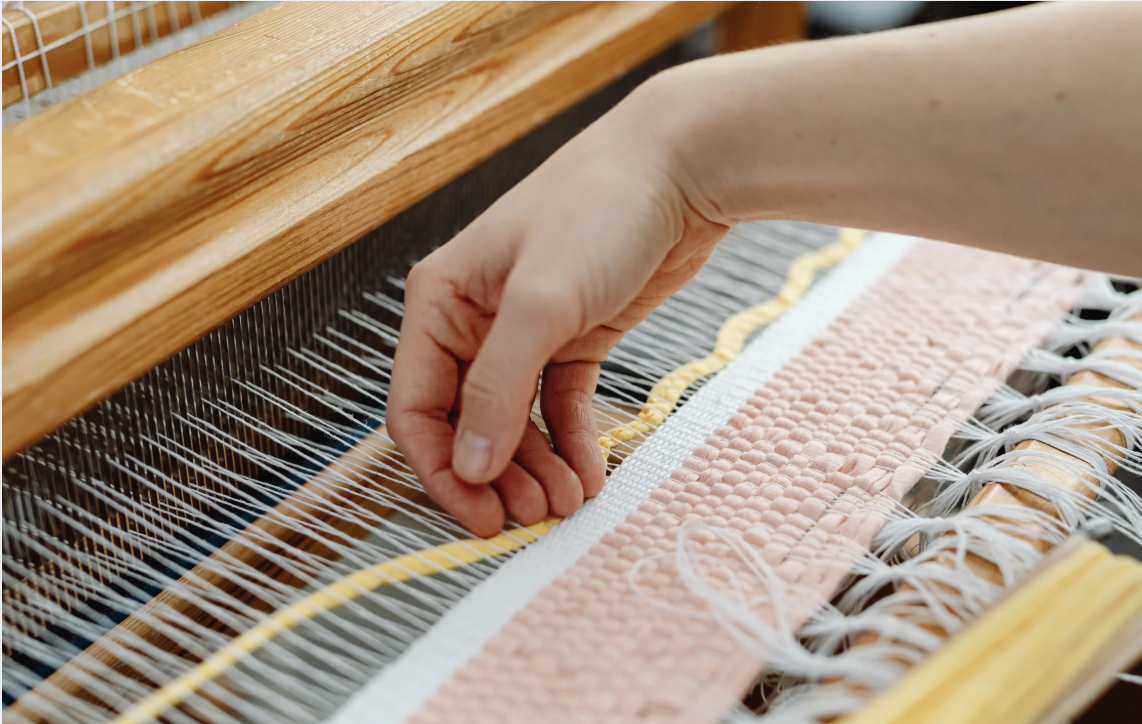
Many traditional crafts have already faded into rarity. Hand weaving, once an everyday necessity, now survives mostly in small studios where artisans keep ancient looms humming.
These dedicated craftsmen and women are not only preserving a technique but also telling stories with each thread they intertwine. The vibrant colors and intricate patterns speak of cultures and histories, of generations who have woven their identities into each piece.
Wood carving, which shaped everything from tools to toys, has become a niche hobby despite being a beautiful way to learn precision and focus. Enthusiasts of this timeless craft find immense satisfaction in transforming raw pieces of wood into intricate works of art. The rhythmic motion of carving, the scent of wood shavings, and the gradual emergence of a design foster a deep connection between the artist and their medium.
Natural dyeing, once a universal method of colouring cloth with plants and minerals, has been overshadowed by fast fashion and synthetic dyes—even though its results are richer, softer, and gentler on the planet. However, there's a growing resurgence among artisans and eco-conscious consumers who are rediscovering the beauty and sustainability of natural dyes.
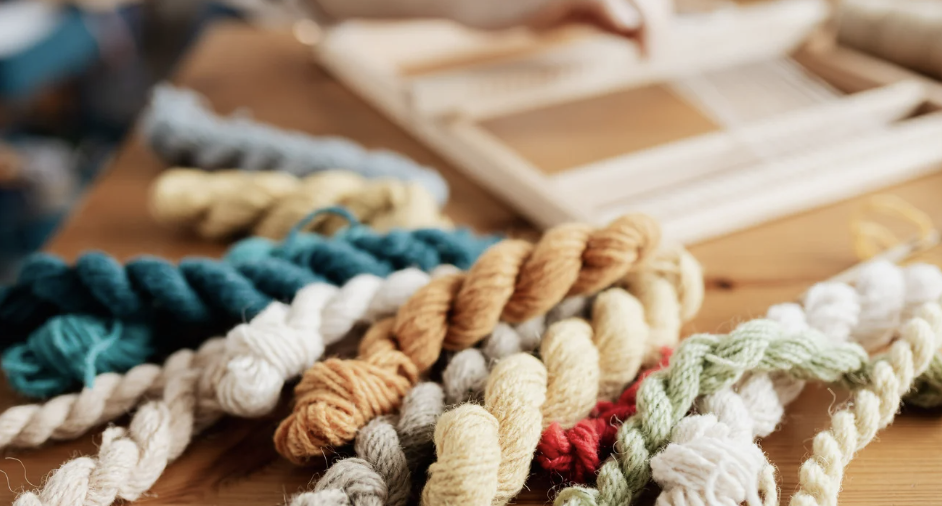
Encouraging ourselves—and especially our children—to try crafts like these isn’t just about nostalgia. It’s about rediscovering what we’re capable of beyond a screen. Hands-on skills teach patience, spark curiosity, and offer the quiet satisfaction of making something real. They nurture creativity, resilience, and a sense of connection to the generations who came before us. Most importantly, keeping these crafts alive gives children a deeper respect for time, materials, and the world around them. When they learn how wool becomes cloth, or how a raw branch becomes a spoon, they gain a new appreciation for the craft behind everyday life and keeps their brain synapsis firing. Reviving lost traditions doesn’t mean rejecting modern life—it means adding richness to it. These skills are part of our cultural DNA, and by practising and sharing them, we ensure they continue to shape our future rather than become forgotten relics. In a fast-moving world, slowing down to create may be the most meaningful tradition of all.